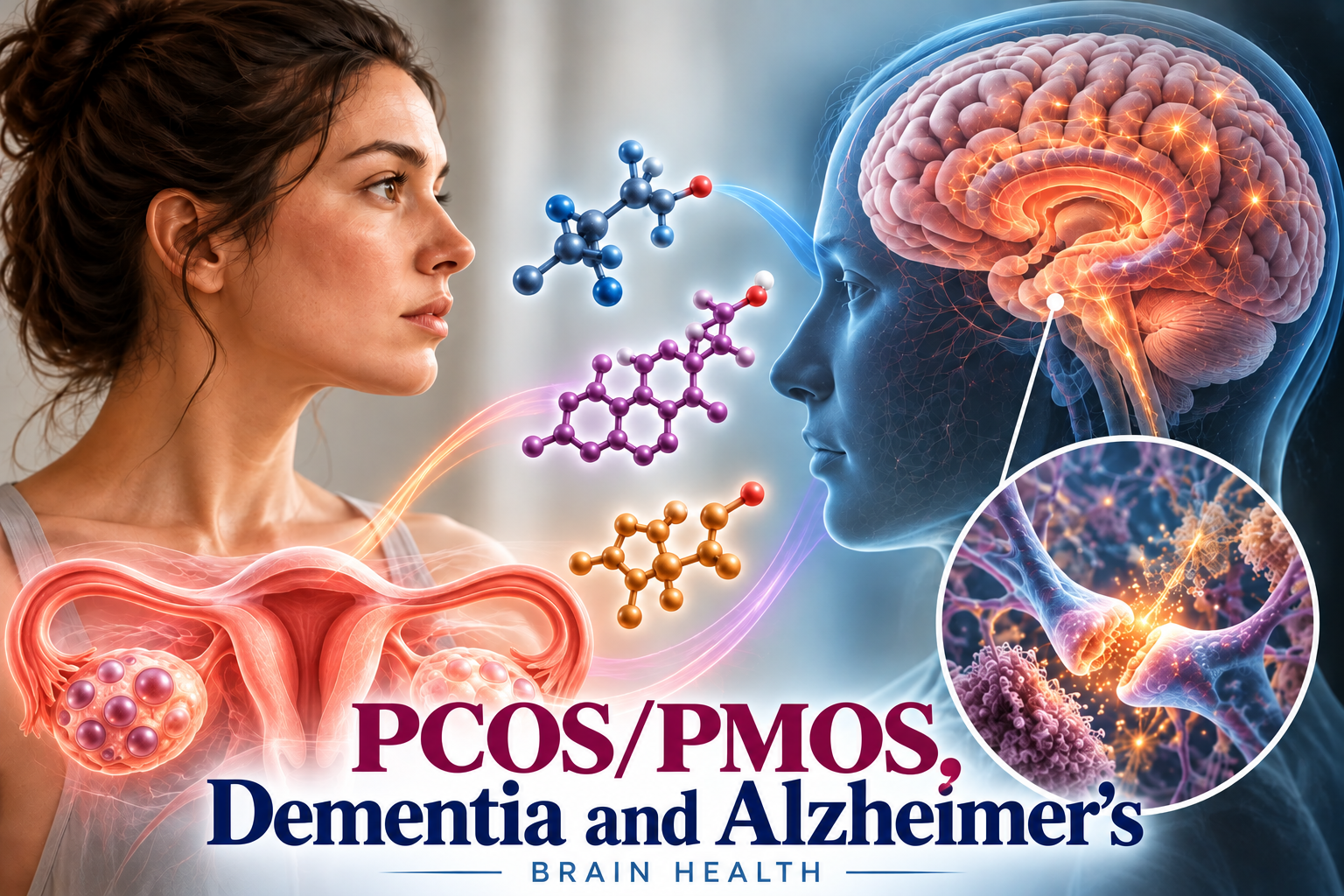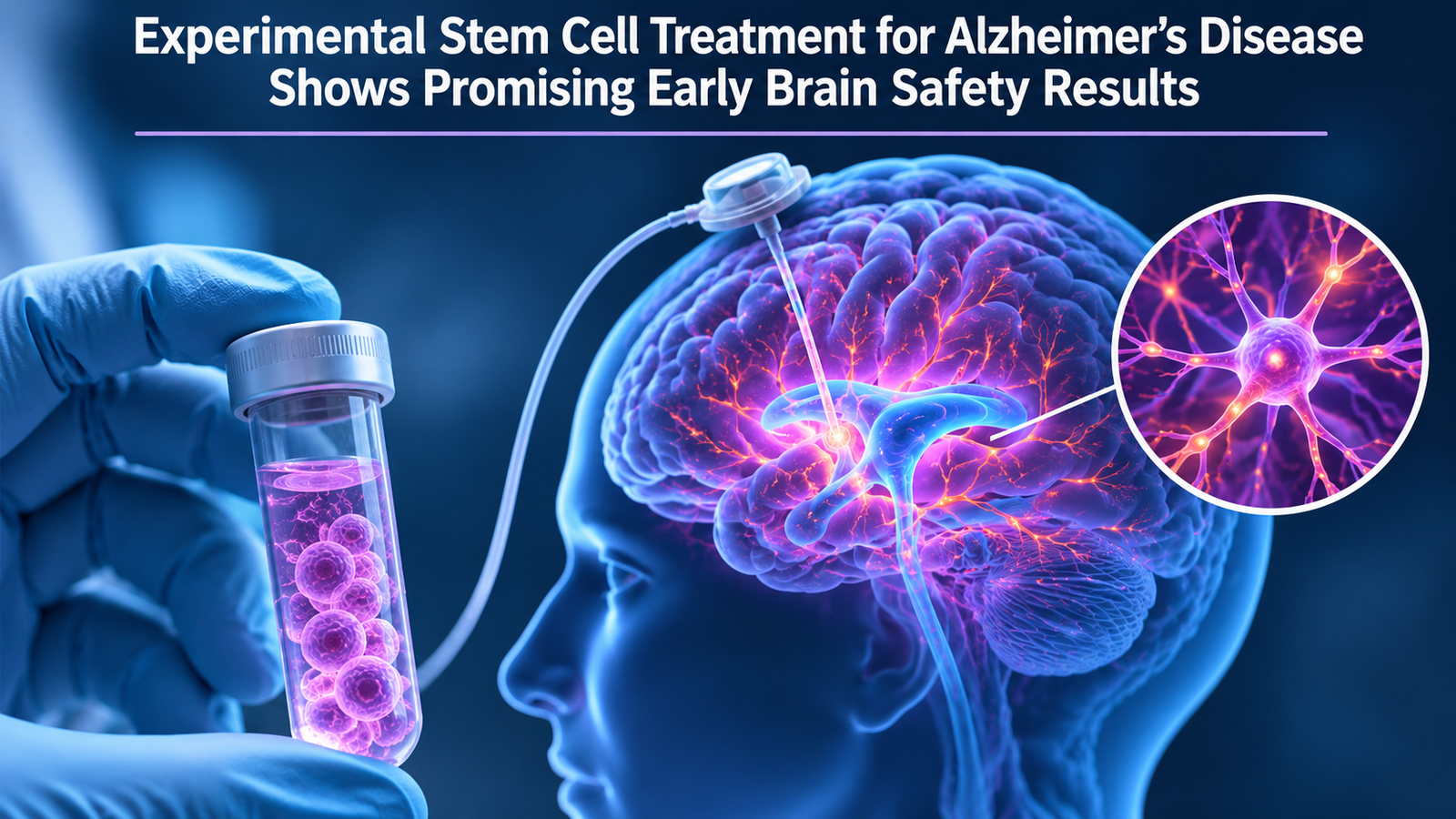
Herpes simplex virus type 1 (HSV-1) is a common virus that usually causes cold sores around the mouth but can sometimes infect the brain and nervous system. Researchers found that HSV-1 can change how microglia, the brain’s immune cells, work. These cells normally protect the brain by fighting threats, removing damaged cells, and keeping brain connections healthy
In a study involving mice, researchers found HSV-1 in specific areas of the brainstem, a part of the brain that connects to the spinal cord. In these areas, microglia became more active in fighting the virus but showed reduced activity in their normal brain-maintenance functions. This may lead to neuroinflammation, which means inflammation in the brain.
These findings may help scientists understand a possible connection between HSV-1, memory problems, Alzheimer’s disease, and dementia. However, the study does not prove that the virus causes these conditions in humans, and more research is needed. (1,2)
Publications
- Herpes Virus Appears to Hijack The Brain’s Immune Cells, And It Could Have Serious Consequences : ScienceAlert
- Intranasal HSV‑1 infection drives region‑specific interferon‑dominant microglial remodeling | PLOS Pathogens
Related Sources
- Can Herpesvirus Increase Your Risk for Alzheimer’s Disease? | Cognitive Vitality | Alzheimer’s Drug Discovery Foundation
- Common Cold Sore Virus May Reprogram the Brain’s Immune Defenses
Research summary for educational purposes. An association is not established between Alzheimer’s and Herpes Virus
Meet the Creator