Cancer

targeted therapy for stomach and esophageal cancer

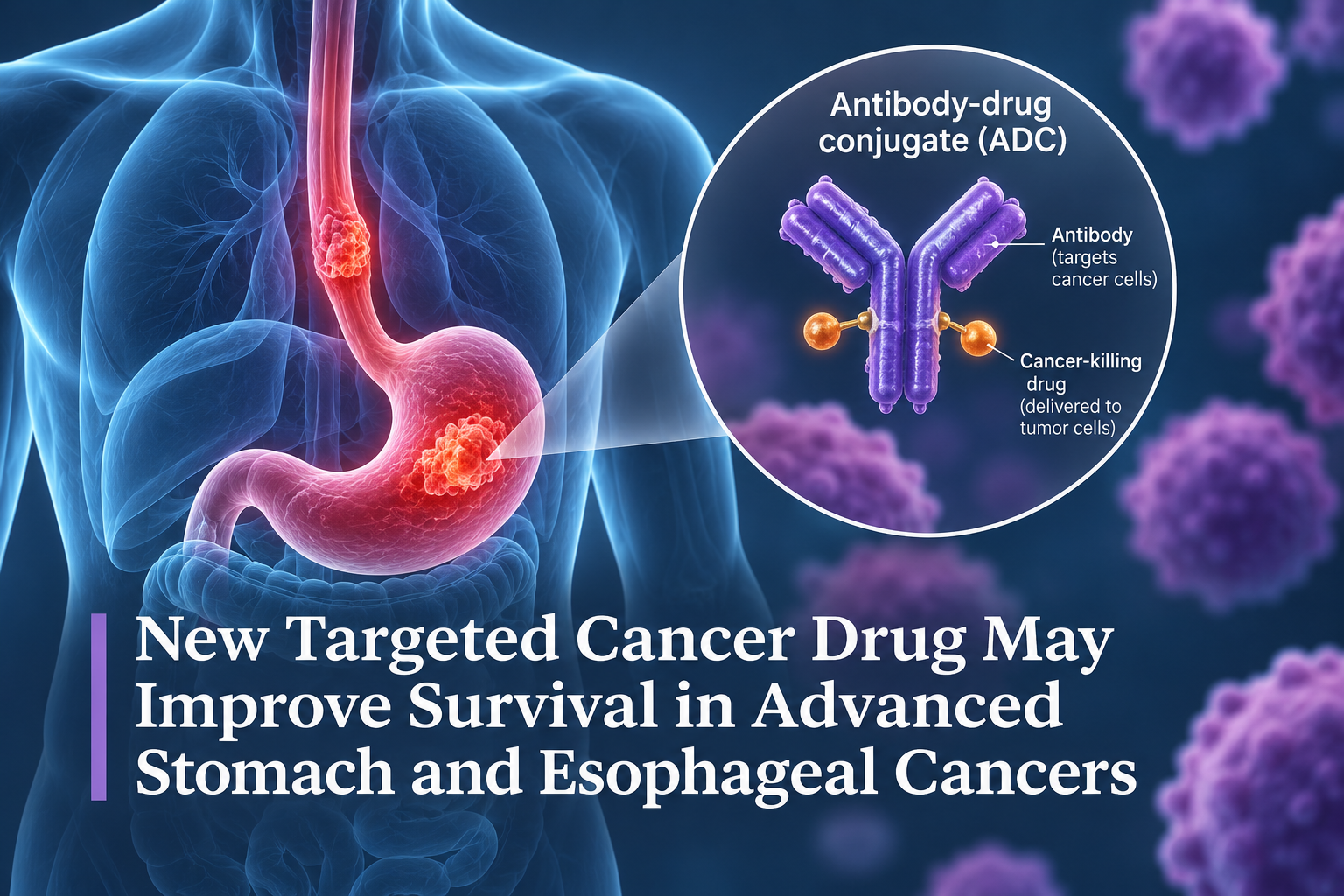
New Targeted Cancer Drug May Improve Survival in Advanced Stomach and Esophageal Cancers

Advanced stomach and esophageal cancers are difficult to treat, particularly when tumors continue to progress after multiple therapies. Researchers are investigating antibody-drug conjugates (ADCs), targeted treatments that combine an antibody with a cancer-killing drug to deliver chemotherapy more selectively to tumor cells. In a late-stage clinical trial involving 473 patients with unresectable stomach and esophageal

New Targeted Cancer Drug May Improve Survival in Advanced Stomach and Esophageal Cancers Read More »
cabozantinib survival benefits in liver cancer

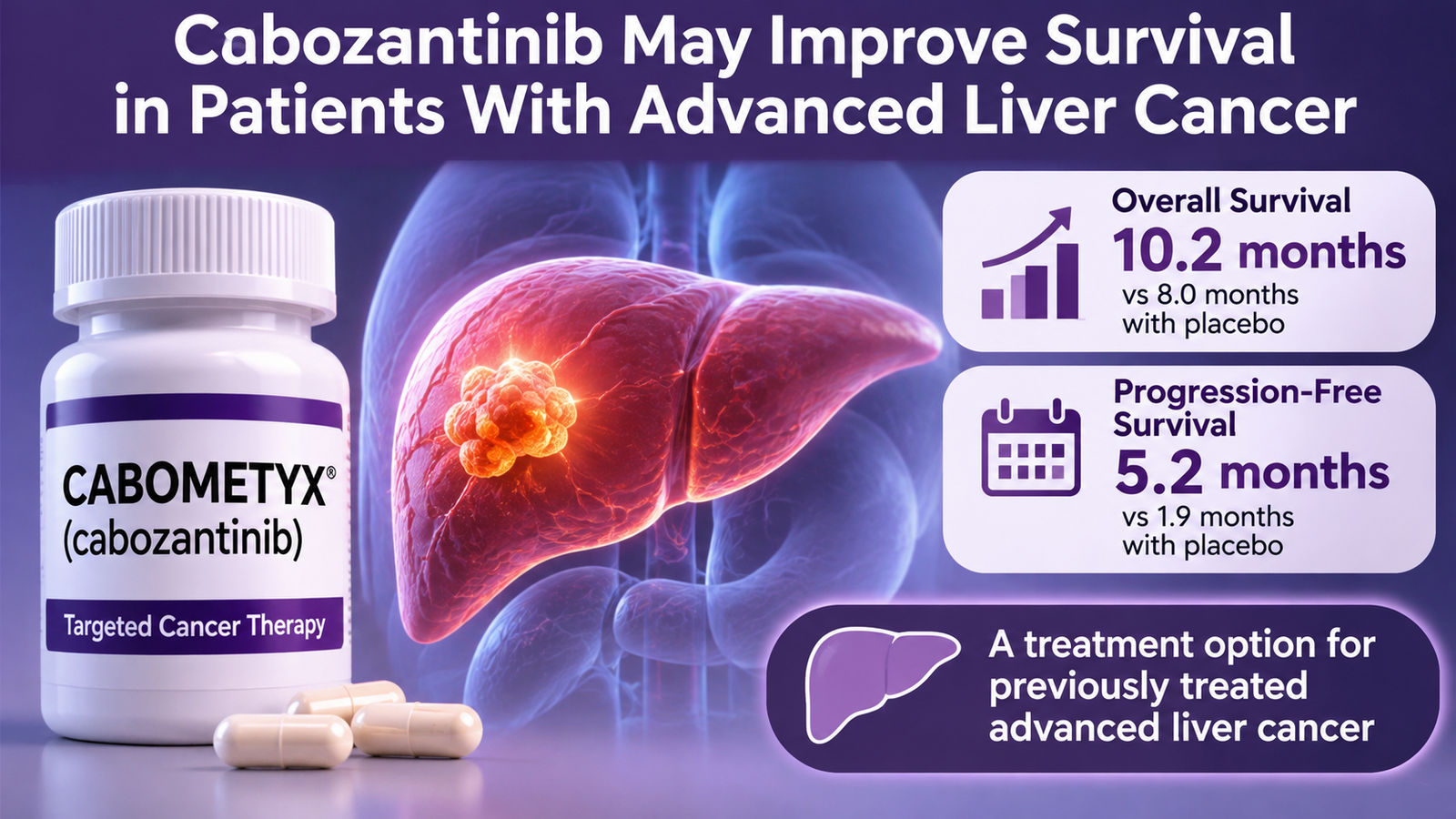
Cabozantinib May Improve Survival in Patients With Advanced Liver Cancer

Hepatocellular carcinoma (HCC) is the most common form of primary liver cancer and can be difficult to treat when it reaches an advanced stage. Researchers have investigated cabozantinib (CABOMETYX), a targeted therapy that blocks proteins involved in cancer cell growth and tumor blood vessel formation. In the Phase III CELESTIAL clinical trial, 707 patients with

Cabozantinib May Improve Survival in Patients With Advanced Liver Cancer Read More »

car t cells targeting liver cancer

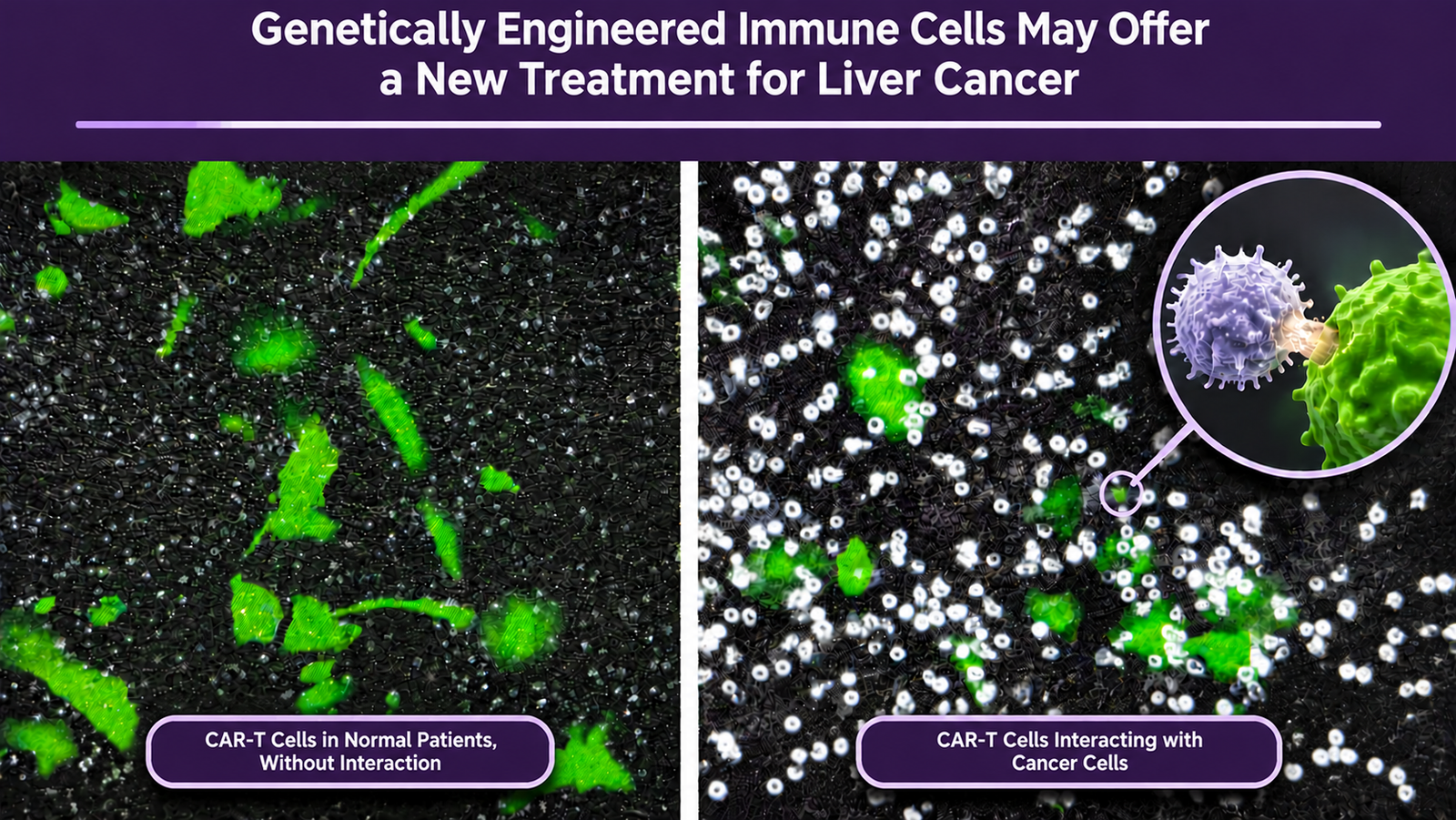
Genetically Engineered Immune Cells May Offer a New Treatment for Liver Cancer

Liver cancer is a difficult disease to treat, particularly when tumors develop mechanisms that prevent the immune system from attacking cancer cells. Researchers are developing an experimental treatment using chimeric antigen receptor T cells (CAR-T cells), which are genetically engineered immune cells designed to recognize and destroy cancer cells. Professor Nathalie Wong and her team

Genetically Engineered Immune Cells May Offer a New Treatment for Liver Cancer Read More »

platelet driven glioblastoma growth pathway

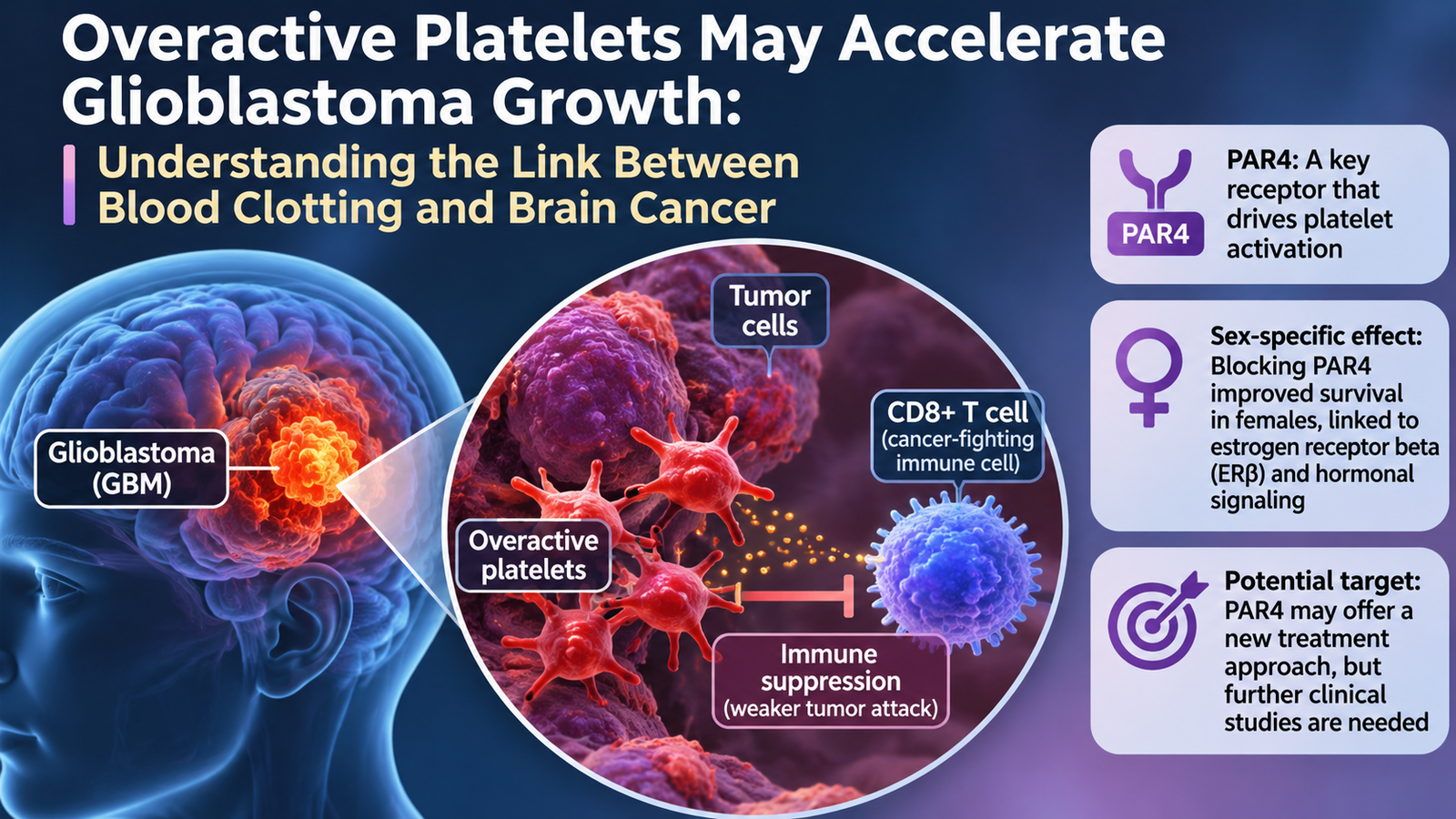
Glioblastoma: How Overactive Platelets May Fuel Growth

Glioblastoma (GBM) is an aggressive form of brain cancer that has poor survival and an increased risk of blood clots, including deep vein thrombosis (DVT) and pulmonary embolism (PE). Researchers found that overactive platelets, which normally help blood clot, can suppress cancer-fighting CD8+ T cells, causing the immune system’s ability to attack tumors to weaken

Glioblastoma: How Overactive Platelets May Fuel Growth Read More »

pancreatic cancer

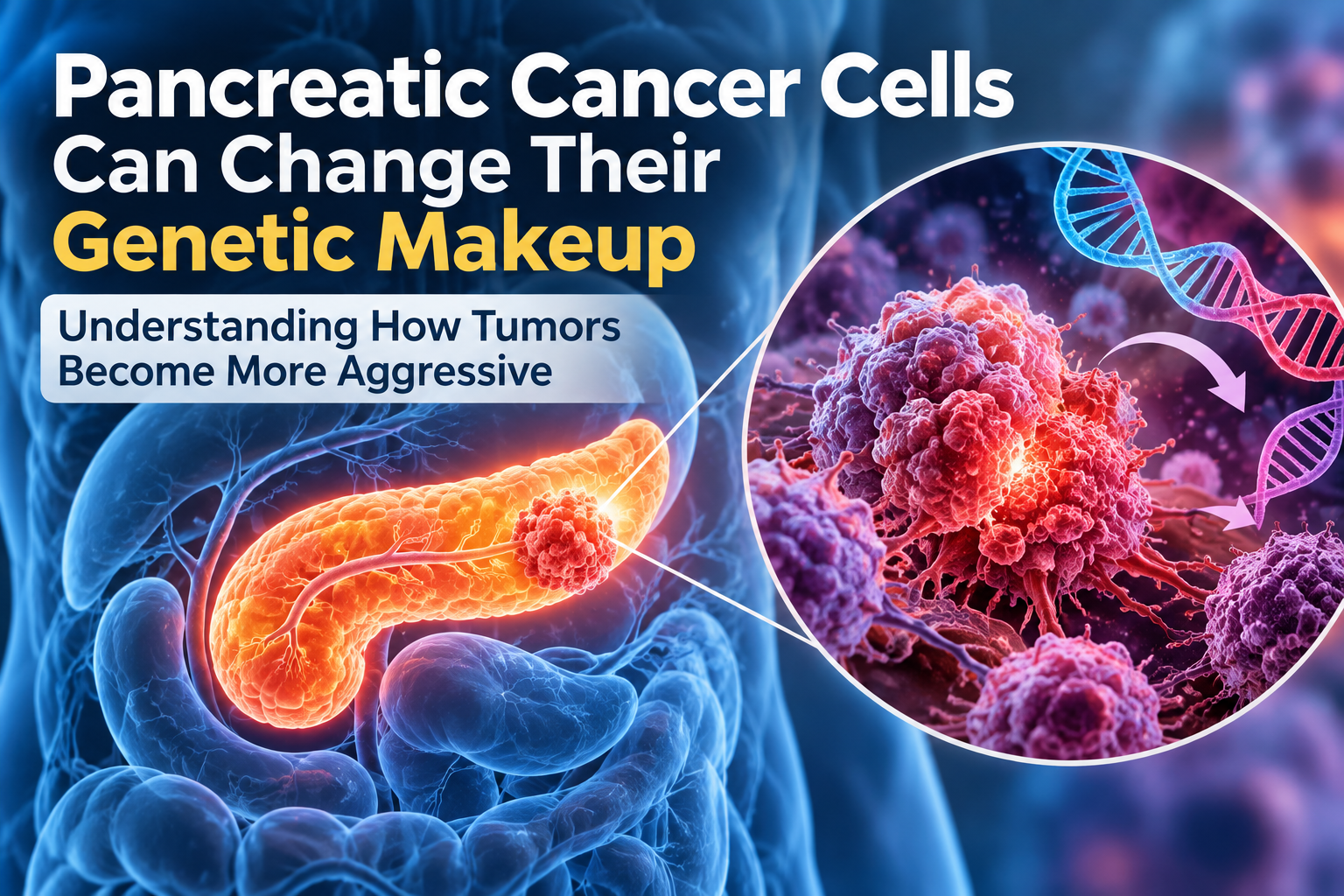
Pancreatic Cancer Cells Can Change Their Genetic Makeup: Understanding How Tumors Become More Aggressive

Pancreatic ductal adenocarcinoma (PDAC) is an aggressive form of cancer in which genetically different cancer cell populations can coexist within the same tumor, a phenomenon known as clonal heterogeneity. As cancer cells accumulate genetic changes, they can shift from a less aggressive classical state to a more aggressive basal-like state. The presence of multiple genetically

Pancreatic Cancer Cells Can Change Their Genetic Makeup: Understanding How Tumors Become More Aggressive Read More »

apple, plums and lemon

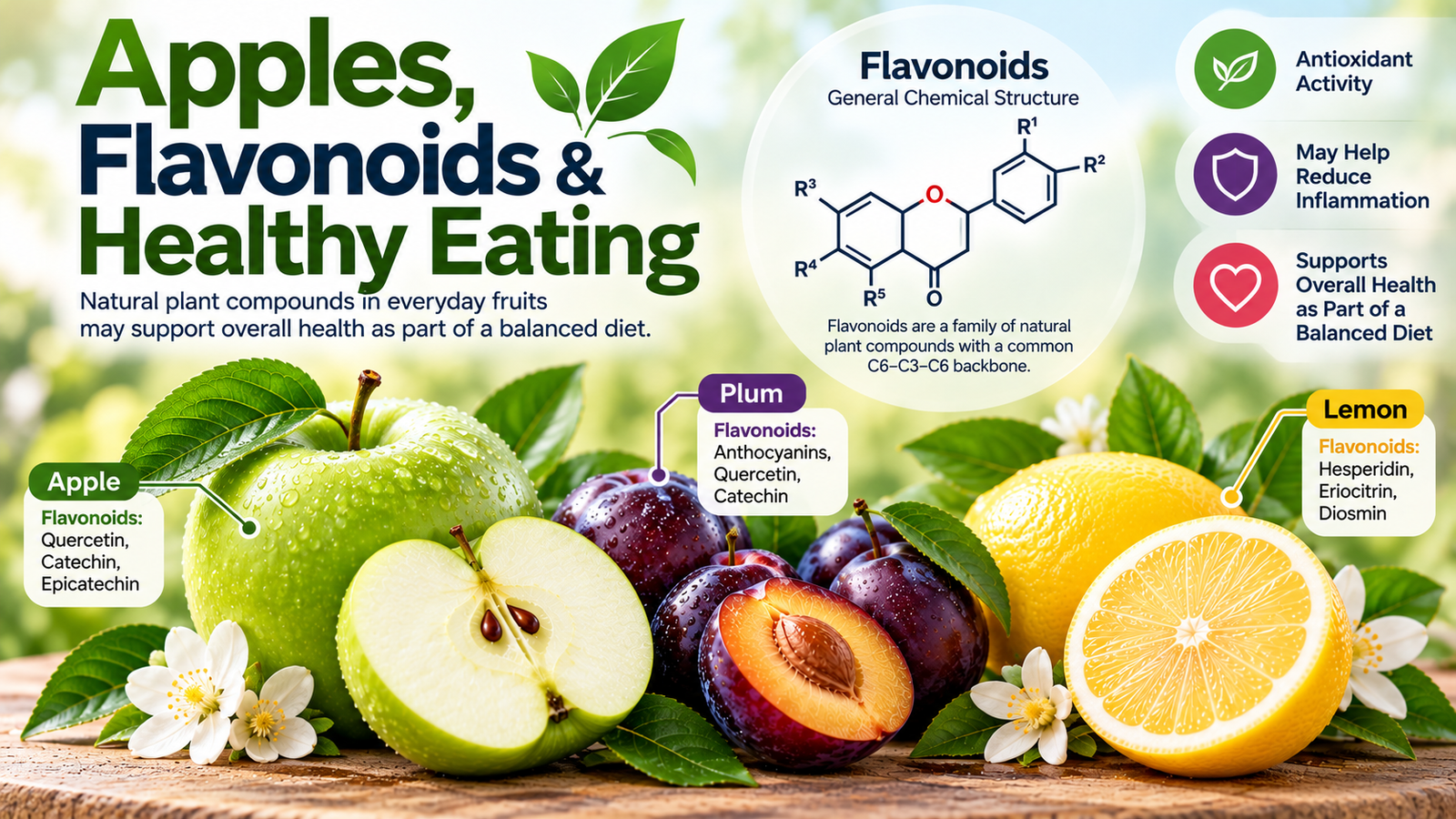
Eating an Apple a Day May Support a Healthy Diet, but Overall Eating Patterns Matter More Than Any Single Food

Apples are nutritious fruits that provide dietary fiber, vitamin C, and natural plant compounds, including polyphenols and flavonoids. Their fiber supports healthy digestion, while vitamin C contributes to normal immune function. Apple polyphenols have also demonstrated antioxidant activity in laboratory studies, although their effects on human health require further investigation. A study by Gallus and

Eating an Apple a Day May Support a Healthy Diet, but Overall Eating Patterns Matter More Than Any Single Food Read More »