
GLP-1: Weight Loss

glp 1 medications and psychiatric symptoms

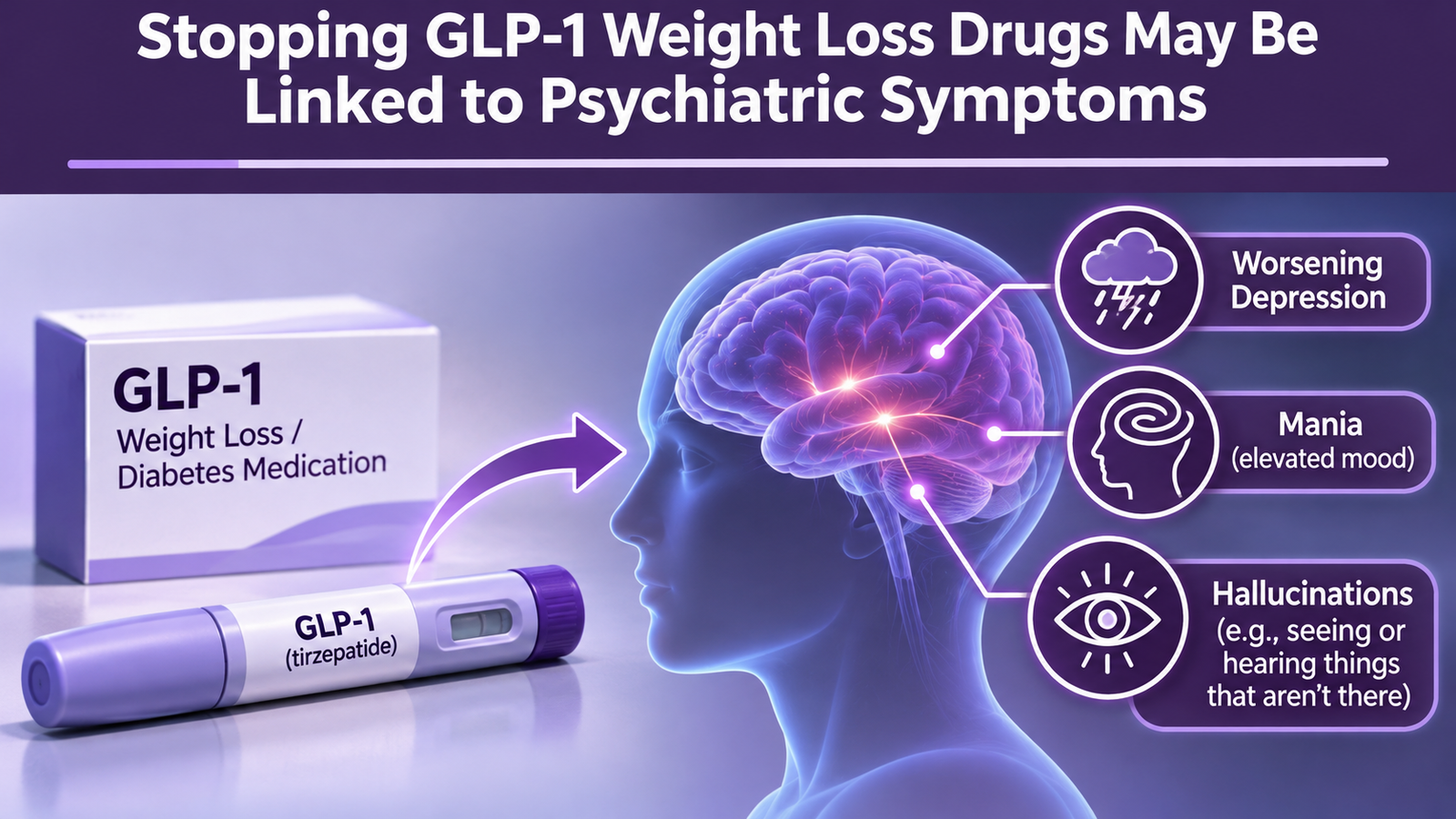
Stopping GLP-1 Weight Loss Drugs May Be Linked to Psychiatric Symptoms

Glucagon-like peptide-1 (GLP-1) medications are commonly used to treat type 2 diabetes and obesity. These drugs, including tirzepatide, also act on receptors in the brain that may influence mood and behavior. Researchers are investigating whether discontinuing GLP-1 medications could contribute to psychiatric symptoms in certain patients. A case report published in The Primary Care Companion

Stopping GLP-1 Weight Loss Drugs May Be Linked to Psychiatric Symptoms Read More »
glp 1 kidney diabities

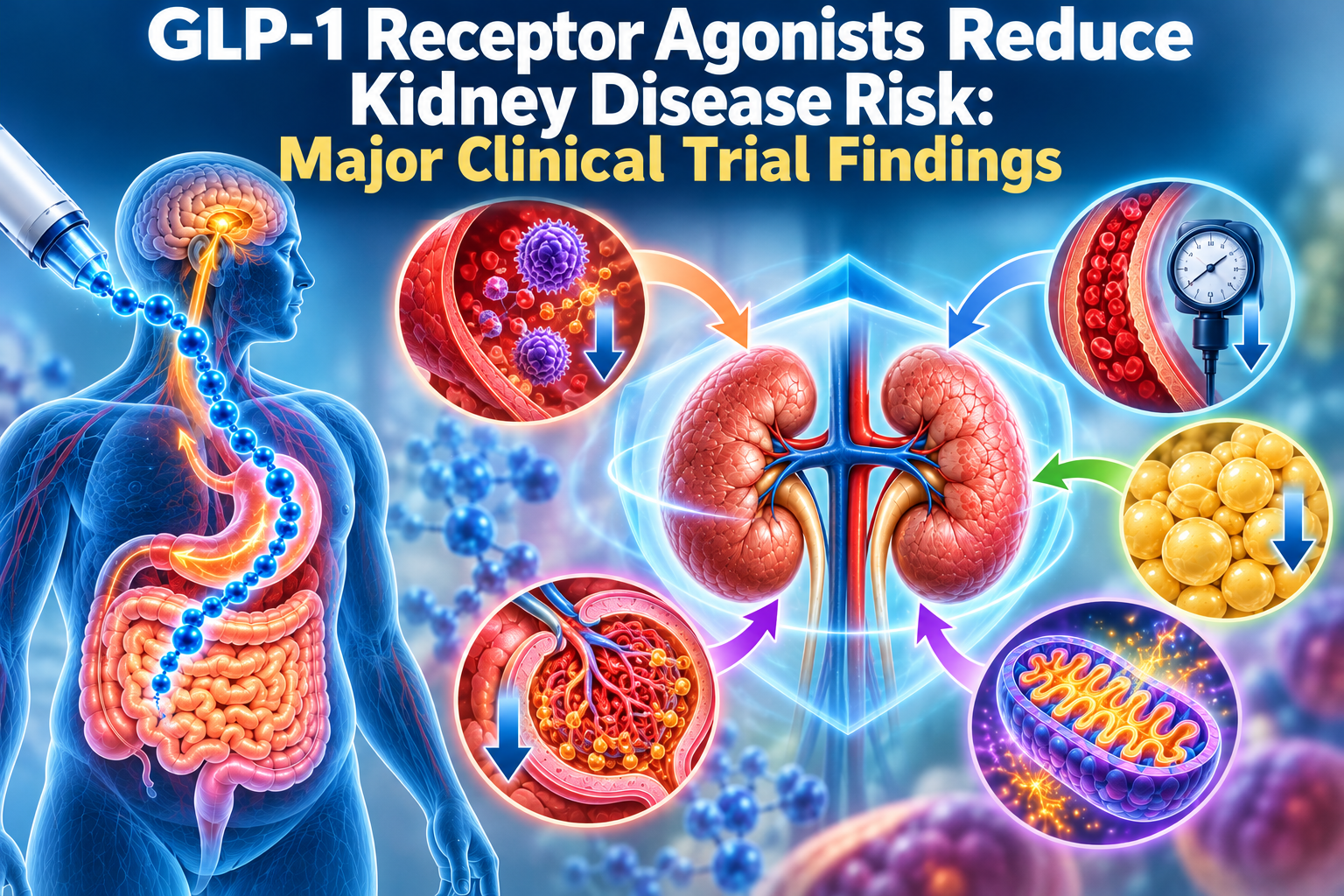
GLP-1 Weight Loss Drugs May Reduce the Risk of Kidney Disease

Glucagon-like peptide-1 receptor agonists (GLP-1 RAs), commonly prescribed for type 2 diabetes and obesity, may also help protect kidney function and slow the progression of chronic kidney disease (CKD). Researchers have found that these medications, including semaglutide, may reduce kidney damage beyond their effects on blood sugar and weight loss. In the FLOW clinical trial,

GLP-1 Weight Loss Drugs May Reduce the Risk of Kidney Disease Read More »

injectable therapy targets fat cells

New Injectable Drug May Reduce Fat Cells and Prevent Weight Regain After GLP-1 Treatment

Obesity is a chronic condition associated with excess fat accumulation, which increases the risk of cardiovascular disease, type 2 diabetes, and other metabolic disorders. Although GLP-1 medications can produce significant weight loss, weight regain frequently occurs after treatment is discontinued. Researchers are investigating CBL-514, an experimental injectable drug that induces apoptosis, or programmed cell death,

New Injectable Drug May Reduce Fat Cells and Prevent Weight Regain After GLP-1 Treatment Read More »